Guide
How Tenant Screening Software Flags Your Application
RealPage and Yardi auto-screen credit, evictions, and backgrounds. Learn what triggers an automatic denial and how a locator pre-screens to avoid it.
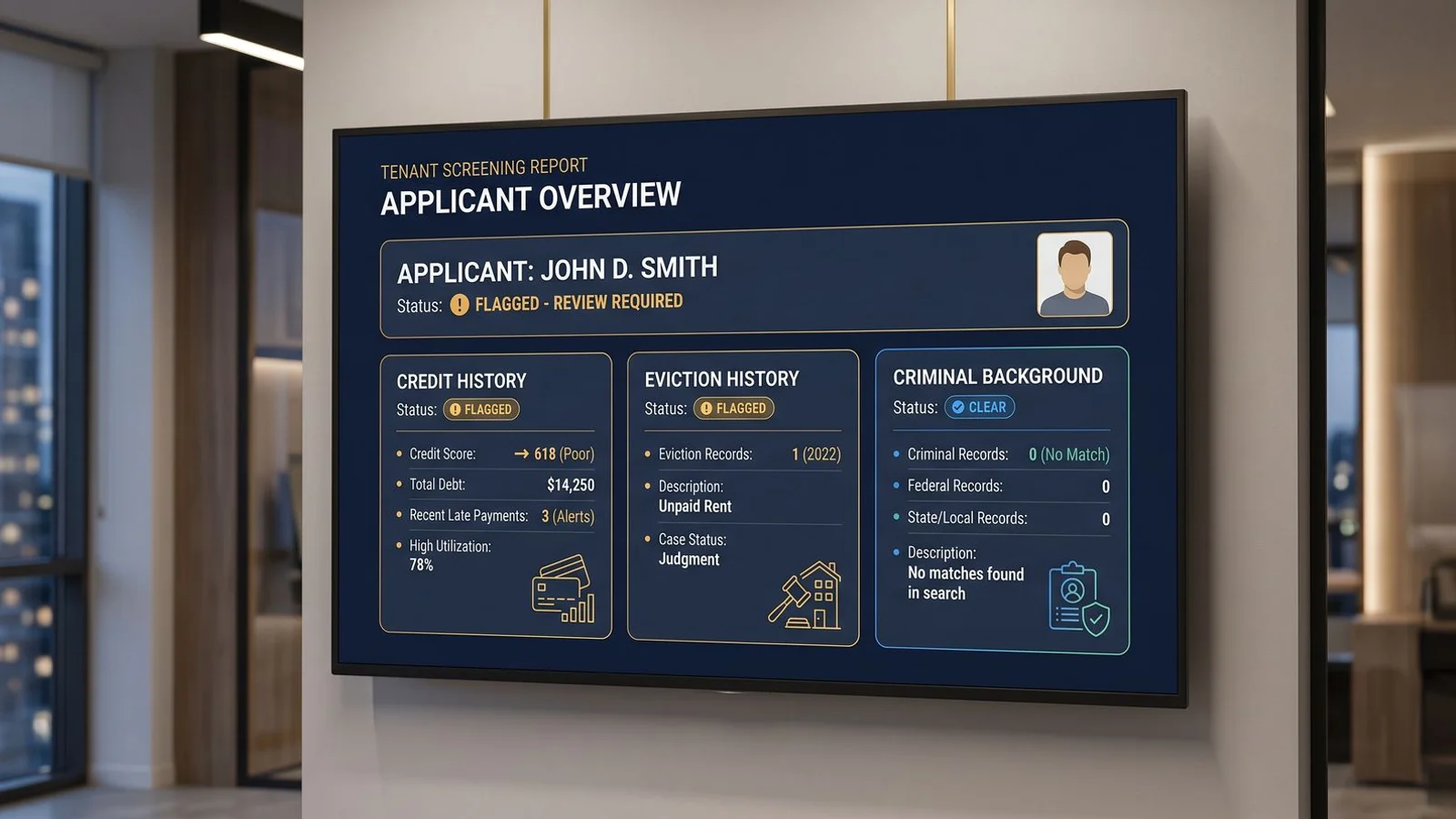
We founded San Antonio Second Chance Apartments to help renters beat this unforgiving system. The process of getting an apartment feels completely disconnected from your actual ability to pay rent. Automated software punishes great applicants who simply apply to the wrong building.
Our team constantly talks to people who have lost hundreds of dollars on application fees. Understanding how apartment screening software works is the only way to stop wasting your money.
The following breakdown will explain the specific triggers that cause rejections and show you a simple method to bypass the algorithm.
The Software Behind the No
Most San Antonio apartment communities use third-party tenant screening software to automatically grade applications. Programs like RealPage, Yardi Voyager, and ClearScreening pull your data and run it against strict property rules. We regularly see these systems evaluate court eviction records, criminal databases, and specialized credit models.
A single negative mark can cause an instant denial. That strict enforcement is exactly why renters with one paid-off eviction lose application fees over and over again. Our experience shows that the software evaluates you using specialized models like TransUnion’s ResidentScore, rather than standard FICO numbers.
How The Big Platforms Operate
Many renters assume a human reads their application first. The reality is that an algorithm makes the initial cut. We track the top platforms used across Texas to understand their unique strictness levels.
- RealPage: This enterprise software is highly utilized by large corporate landlords. It heavily weighs rent-to-income ratios and recent debt.
- Yardi Voyager: Another massive player in the San Antonio market. This platform integrates tightly with TransUnion and catches older, paid-off evictions.
- ClearScreening: Often used by mid-sized management companies. It provides a raw data feed that sometimes allows for slightly more human interpretation.
What Triggers an Auto-Deny
An auto-deny is triggered when an applicant’s data violates a strict, non-negotiable rule set within the tenant screening software. The most frequent culprits are low credit scores, recent evictions, and specific criminal records. We find that each property sets its own unique thresholds for these categories.
Two apartment complexes right next to each other can have completely different minimum requirements. A 2026 report from TransUnion indicated the average U.S. renter credit score sits around 638. Our locator team knows that falling below a property’s specific hard floor results in an instant computer rejection.
Here are the most common automated denial triggers encountered in the local market:
| Trigger Category | Typical San Antonio Threshold | Why It Causes a Denial |
|---|---|---|
| Credit Score | Hard floor of 580 to 620 | Algorithms view low scores as an immediate default risk. |
| Open Eviction | 3 to 7 year lookback window | Active filings strongly indicate you owe another landlord. |
| Rental Debt | Any unpaid balance | Software flags outstanding property management collections instantly. |
| Income Ratio | 2.5x to 3x the monthly rent | Gross income must mathematically prove you can afford the unit. |
Felony convictions within the lookback window will also trip the system. Those specific timelines vary widely depending on the management company. We always verify these lookback periods before sending a client to apply.
What Slips Through to Manual Review
Some applications generate a warning flag instead of a hard denial, pushing the file to a leasing manager for a manual review. This happens when the negative item is older, paid off, or requires human context. We consider this gray area the best opportunity for renters with a complicated history.
Recent HUD guidance strongly encourages housing providers to use individualized assessments for criminal backgrounds. This means managers are supposed to look at the recency and severity of a past issue rather than using a blanket ban. Our strategies focus heavily on getting files into this manual review stage.
Communities that allow manual review usually let leasing managers look at several mitigating factors. These human reviews look for stability and context.
- Recency and Outcome: A paid-off broken lease from four years ago looks much better than an active eviction.
- Contextual Hardships: Medical bills, divorce, deployment, or identity theft carry different weight than unpaid rent.
- Current Stability: Managers want to see strong current income and a solid employment track record.
- Recent Rental History: Two years of clean rental history since your obstacle is a massive positive indicator.
- Documentation: A well-written explanation letter and professional references can sway a human decision maker.
Manual review does not guarantee an approval. It simply opens the door that automated screening keeps firmly shut. We have helped countless renters secure leases by preparing them for this exact conversation.
How Pre-Screening Avoids the Fee Loss
A pre-screen is a strategic phone call made to the leasing manager before you submit an application or pay any fees. This conversation determines if your specific background will trigger an auto-deny or be considered for manual review. We utilize this step to protect our clients from wasting money.
Application fees in Texas currently average between $50 and $100 per person for 2026. Management companies also frequently stack on non-refundable administration fees of $150 or more. Our calculations show that blindly applying to four properties can easily cost a renter over $500.
During a pre-screen call, you describe your situation in general, anonymous terms. You might say you are a renter with a paid broken lease from 2023, current income at 4x the rent, and two years of clean rental history. We ask the manager directly if their RealPage Yardi apartment screening rules would auto-deny that profile.
That single, proactive call saves the application fee immediately. Multiply that saved fee by the number of properties you might otherwise apply to, and the savings stack up incredibly fast.
For more information, see our second chance locating service and our how to ask guide. Reach out to our team today to start building your personalized leasing strategy.
Need help with this?
Second-Chance Apartment Locating
Specialized matching for renters with complex backgrounds - credit, evictions, rental debt, bankruptcy, and misdemeanor or felony history.
See How We Help